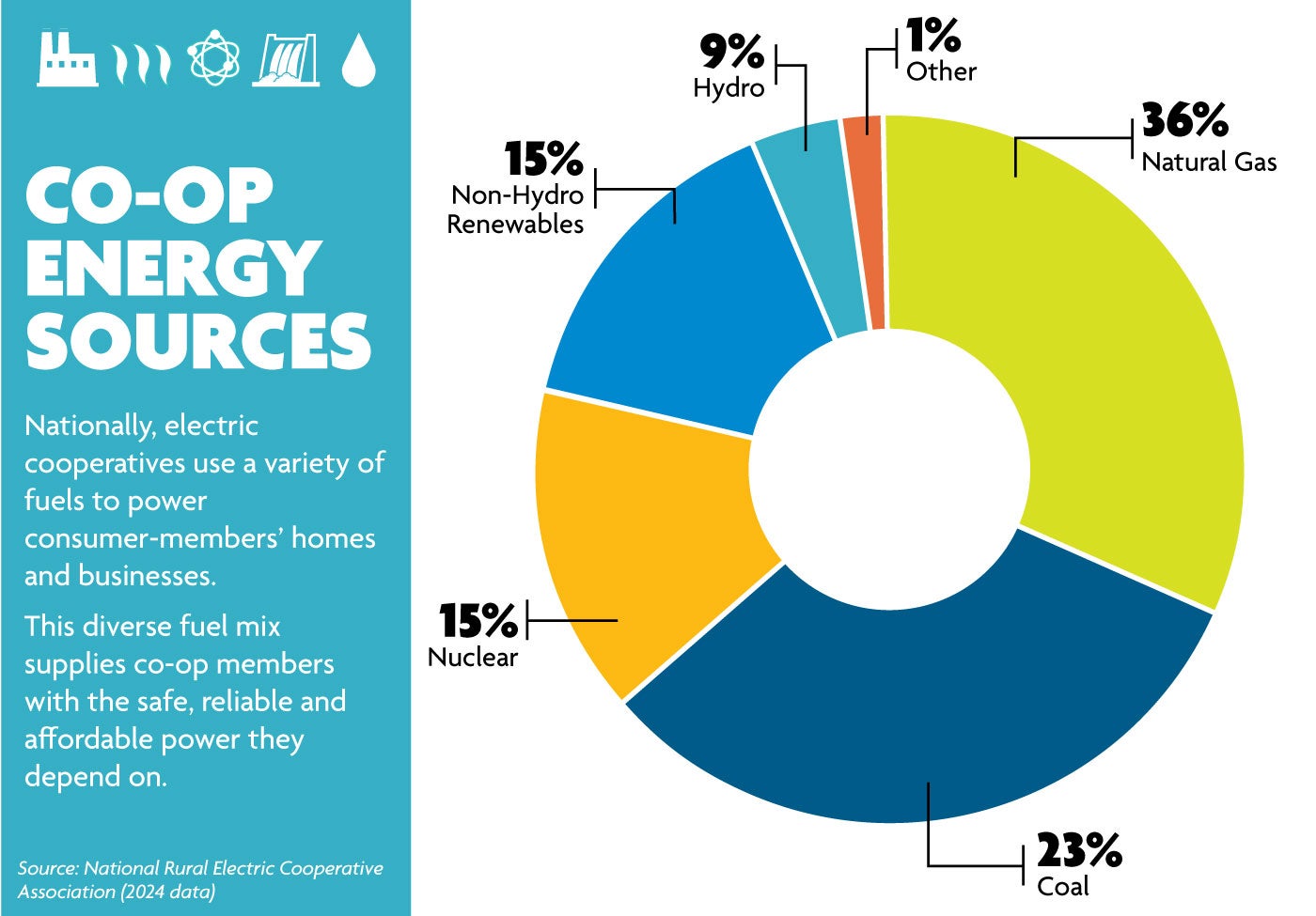
For generations, the electric utility industry’s main fuel source was coal. Coal traditionally provided about half the electricity in the country because it was reliable, plentiful and relatively inexpensive. That backbone was supplemented by nuclear power, hydroelectric power and natural gas.
But that’s changed radically over the last 15 years.
The supply and price of natural gas fell dramatically with fracking and other drilling technologies. Natural gas plants offer other advantages — they can be built smaller, faster and cheaper than coal stations, and they can be controlled more quickly as power demand changes from day to day. Coal costs rose with environmental regulations, and renewable energy sources received more attention because of their benefits to the environment.
As a result, by 2016, natural gas replaced coal as the largest source of electricity. In 2019, natural gas made up 38% of the electric utility fuel mix; coal, 23%; nuclear, 20%; and hydroelectric power, 7%. The non-hydro renewable energy share of electricity production has risen from almost nothing 10 years ago, to 7% for wind and 2% for solar — and both continue to increase rapidly.
Those statistical trends hide two revolutionary changes.
One is that renewable energy doesn’t act like the more traditional power plants. A coal plant can run all the time, while wind and solar shut on and off as Mother Nature makes changes every hour — meaning the wind doesn’t always blow, and the sun doesn’t always shine. But with the second revolutionary change — the smart grid — the use of these complex renewable energy sources can be managed better.